Sky Farms

Sky farms – The new Green farm?

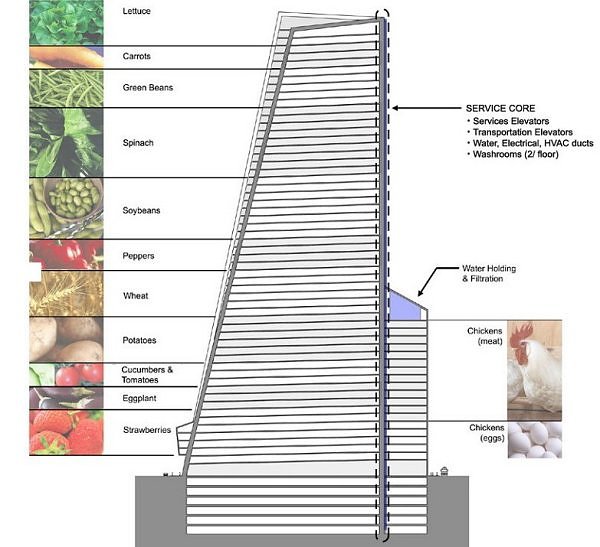
Sky farms are quite literally multilevel agricultural farms, much like
skyscrapers. These sky farms are springing up all over the world, and the
economics of sky farming are already showing positive results. Sky farming
is basically a form of hydroponic farming. It includes significant potential for
organic farming, and major improvements in water usage efficiency. Sky farms
to involve some logistics and infrastructure, notably provision of in-house water
management systems and electrical services, but these are actually far more
economic than traditional agricultural systems.

Sky farm basics

Sky farms are essentially high-rise buildings. They’re designed to achieve
maximum efficiency in the growth and harvesting of agricultural products of all
kinds.  They’ve already shown significant potential for commercial production.
Many growers are particularly interested in the fact that sky farms also provide
enclosed spaces, which naturally provide significant protection against the
elements, weeds, droughts and insect and fungal pests.

Sky farms and agricultural issues

Because sky farms provide a lot of vertical and cubic space, they can overcome
the limitations of the “two-dimensional” traditional farming environment. It’s
possible that the sky farms may be the solution to the increasing problems
of conflicting land use where urban land is displacing agricultural land and
agricultural land is destroying natural habitat and ecology.

The appalling condition of rural land around the world is a major issue
currently being raised at government and international levels regarding the
sustainability of future food production. Sky farms have the potential to
completely eliminate this problem. Theoretically they can grow more food in
far less space than traditional farming.

The economics of traditional rural land use can also be drastically improved by
sky farming. The fact is that it takes extraordinary amounts of water and soil to
produce basic agricultural products. That situation is definitely not sustainable,
and far more efficient means of food production are desperately required.

Because of the quasi-hydroponic nature of sky farming, water usage can be
improved by up to 200%. Soil degradation can be drastically decreased, due to
the fact that sky farm plants use significantly less soil in their growth media.

Organic growers concerned about the possibility of contamination and cross
pollination of their crops with genetically modified organisms have also
expressed interest in sky farms, which provide enclosed growing habitats for
their products. Sky farming could in fact be a particularly useful method of
ensuring agricultural and botanic genetic lines.

The future of sky farming

The big winners in sky farming will be farmers, consumers and the
environment. Sky farms have so far shown themselves to be very easy to
manage, logistically simpler to operate in terms of crop management, and to
have the potential for significant flexibility in choice of commercial crops.

It may be strange for a while for farmers when they realize that instead
of using a backhoe they’ll have to call an electrician, but the cost savings
and peace of mind may be the greatest breakthrough for farmers since the
Agricultural Revolution.

Sky farming is a very much more efficient, profitable approach to a serious
food supply situation which traditional commercial farming has so far shown
itself to be completely unable to address.
Savor your shrimp as it may be your last, Oil is the new seaweed

I have been wanting to write about the disaster in the Gulf Of Mexico but whenever I tried to learn about the impacts of the oil, the more irritated I got.

So now that I am in a more objective emotional state of mind I will try to asses the future term impacts.  This is just the start as ridiculous amounts of poison gasses liquid, and solids will be pumping into the ocean for several more months.

The oil we see washing ashore and being burnt up on top of the water is just the tip of the iceberg so to speak. What is coming out of the bottom of the gulf is a diverse mixture of petroleum with different densities and thus buoyancy.  The vast majority is under the surface mingling with the fishes and shrimp.

Dispersants makes even more oil go underwater but is necessary to protect the coastlines. Either way most of the oil will collect in The Gulf and then the ocean currants will take it around the world, first the North Atlantic, then the South Atlantic, and then on to the Mediterranean, Indian Ocean and Pacific.

The politics surrounding this event are also very disconcerting. This was not a completely unanticipated event.  There has always been the possibility that offshore rigs can be compromised. It is unfortunate that is takes a real disaster to wake people up.

The best shrimp came from the Bayou but I believe those days may already be over.

The Mississippi Meets the oil

Tech Companies Make Push For Home Energy Efficiency

Microsoft Hohm is an online service that makes it possible for consumers to see how much electrical power and gas they use in a given month along with suggestions on how to reduce their consumption.

This application was recently updated with some new features including two dozen behavior recommendations for those who take the time to create a Hohm energy profile and information pages covering every zip code in the United States. Additionally, Hohm now features an energy breakdown dashboard that gives more thorough information about where your household is using the most energy.

Microsoft is not alone in their home energy efficiency efforts. A group of appliance and energy companies that includes Best Buy, Direct Energy, Lennox International, OpenPeak and Whirlpool are working on what they call the Home Energy Management Center. What makes this effort distinctive is that it focuses on homes of all income levels rather than the middle or upper class approach that most other companies are taking.

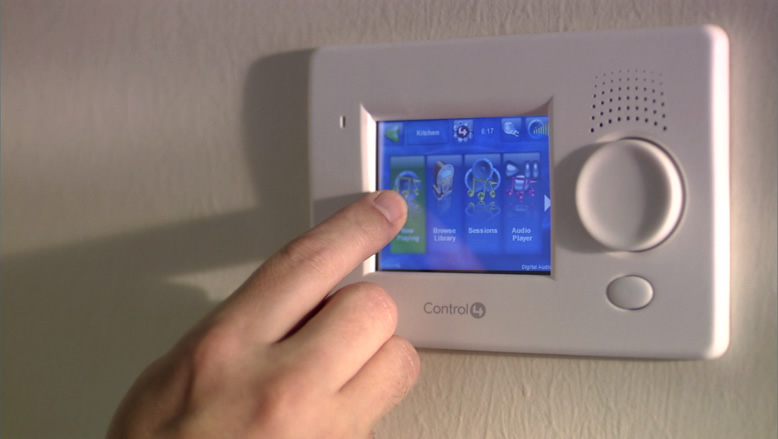
The Home Energy Management Center is being described as a “command center” for the smart home. It will allow them to manage their energy consumption according to certain predetermined budget levels or operating limits as well as provide access to news, weather, social networking, music and movie applications. It is projected that consumers will be able to save up to 25% on their energy bill every month.

Another company taking a very unique approach to home energy efficiency is EcoFactor. Their system will merge your home energy consumption with information about environmental conditions. The thought behind this system is that the consumer does not necessarily want the temperature of their house set to the same level everyday. The temperature outside may not change very much day to day, but the same temperature can feel different depending on how much moisture is in the air.

These are just a few of the companies that are working hard to cut down home energy consumption. The hope is that in the coming years a wide variety of systems will make it possible for everyone to watch their energy usage regardless of whether or not they can meet the expense of home automation.

This was a guest post from Richard Moyle

For more about monitoring home energy usage visit www.measurementsystems.co.uk

The Benefit of ceiling fans

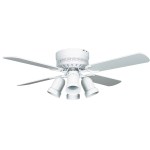
Hugger style ceiling fans can save you a lot of money normally spent on air conditioning.

It is not just about have air blowing on you to keep cool, it is also very helpful when used in conjunction with an air conditioner to quickly and efficiently cool your house.

Keep cool and save money this summer with great deals!

click here to find fans in Hollywood, CA

Supermodels for a good cause, 350.org

350.org

A friend of mine made this video and I think it is a good way to get people’s attention…clearly we need a new approach to get people to take climate change seriously.

The production was done very well and  Bill O’Reilly doesn’t like it so that’s a good sign.

“It offends the human ego that nature is indifferent to our dreams”

This post is somewhat dated, I’ve been moving and haven’t had internet.

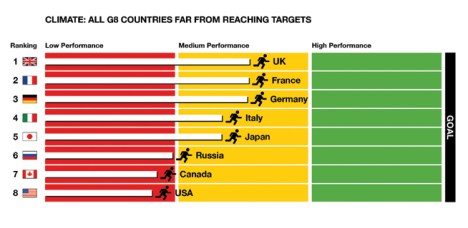
I forget where I heard that quote but if you haven’t guessed it relates to the G8’s “decision” not to allow an increase in global temp of more than 2C

This is dumb because it implies that we have a lot more control over global climate than we do.

Yes reducing carbon emissions would help the planet get back to an equilibrium but whether we can actually stop the current trends initiated more than two hundred years ago is a different question.

It is arrogant to state we have this much control over nature and stupid to assume that we know what will happen as temperatures rise.

Take sea level rise for example, IT IS NOT HAPPENING.  This is not to say we shouldn’t reduce emissions and be clean for the future, just that symbolic goals without any reason to believe we can accomplish them doesn’t seem like the most effective way to change things.

…Particularly not when developing countries (ie the majority of the world) refuse to abide by this “decision”

G8_climaterankingGraphic_z_2

LED part two

A while back I wrote a post on how LEDs might suck because my personal experience with them has been bad.

Well I’ve done the research and it seems clear that all lighting will eventually be LED lighting.  My father just built a house lighted entirely with LEDs and his electric bill is ridiculously low. The problem at the moment is that there are a lot of poor quality LEDs coming out of places like China.

It is also very difficult to tell quality from crap just by looking so I would go by price. An LED bulb with room lighting capabilities will be about 3-4 dollars apeice.   The investement is worth it for the lower electric bill plus you won’t have to change bulbs for more than ten years.

I reccomend Cree Lighting Products, particularly their xlamp series.

Edison’s incandescent bulbs take standard 60 watts

Compact flouesent take maybe half that about 20-30 watts

For the same amout of white light emitted (lumens) an LED takes 5-10 watts

led-light-bulb

What are China’s Priorities?

There is somewhat of a standoff going on between all the countries in the world over this cap and trade emissions idea.  Most notably is the US and China as we account for 40% of the world’s carbon emissions.

So what happens if we cap our emissions and China does not?

First we should look at what China wants because this is a hard thing to pin down.  It seems clear that the people in charge in China do not put the same value on human life or quality of life.  It follows that they could really care less about the environment or it’s inhabitants and wouldn’t pursue alternative energy on the grounds it poisons the planet.

China does want to be THE new superpower in the world and if they are clever they will have figured out that long term growth will inevitably require alternative energy infrastructure.  China already has some alternative energy initiatives in place.

if we cap and they don’t we could put carbon tariffs in place but that might just lead to a large black market…

So until peak oil declines and coal reserves run out, China won’t actually cap emissions because it is a short term economic restriction. They will invest in alternative energy but like everyone else they will use fossil fuels to the bottom of the barrel.

Of course we might be told that they have capped emissions but like most regulations in China, they will go unenforced.

garbage river

Managed relocation of endangered wildlife

usa elephants

This is a debate that has become more relevant as more and more people get freaked out about all the species that are being killed indirectly by people.

I say why not?

If Asian elephants are being poached or if most of china’s air and water is fairly poisonous, send them to South Dakota. Nature is nothing if not adaptable though it does seem impossible to predict what would happen, some cases of invasive species are quite nasty.

We killed a lot of animals in this country, Teddy Roosevelt shot one of each and put them in the Smithsonian and way before that Native Americans killed all the animals of any large size in North and South America.  Now we have a lot of empty spaces that are devoid of large animals and since grazing generally improves the quality of the ecosystem over time, it could be beneficial to the American landscape as well as to the animals.

elephant-around-world

Earth Hour 2009: seeing at night

Here in Los Angeles I couldn’t tell that anyone had turned their lights off but HERE are some great pictures.

I would be interested to know if anyone saw the stars?

earth-hour-to-financial